
Practical guide to second-hand items for sale in Dublin
A clear, factual guide for readers about buying and selling second-hand items in Dublin, with safety steps, platforms, and pitfalls to avoid.

This guide answers how to handle second-hand items for sale in Dublin, focusing on reliability, safety, and practicality. It explains how to find items, assess condition, and complete transactions with minimal risk. Readers will gain practical steps for researching listings, inspecting goods, and choosing trusted channels.
The article outlines core steps first: verify listing legitimacy, visit in-person to inspect items, and arrange safe payment. It then covers where to look, what to avoid, and how to document transactions. Finally, it highlights common mistakes and simple checks that protect both buyer and seller.
Readers should come away with a concise plan for evaluating second-hand offers, including red flags and best practices for online and in-person exchanges. The goal is clear, actionable guidance that translates into safer, smarter market participation.
- Use trusted channels with clear terms and be cautious of too-good-to-be-true offers.
- Always inspect in person when possible and document item condition before paying.
- Keep records of exchanges, photos, and receipts to resolve disputes.
- Follow local rules and platform protections to safeguard transactions.
Basics of spotting reliable listings
Evaluating listing details
Start with complete descriptions and multiple photos. Look for consistent information across images and notes on item condition. Ask clarifying questions if key details are missing, like measurements or model numbers. second-hand items for sale in Dublin are common on local platforms and deserve careful verification.
The next step is to compare several listings to gauge typical wear and pricing. If a deal seems out of line with similar items, treat it as a warning sign. Keep a record of correspondence for later reference.
Be mindful of urgency or pressure tactics in the listing. A calm, deliberate pace helps you verify authenticity and avoid scams.
Safe buying channels and in-person checks
Choosing where to buy
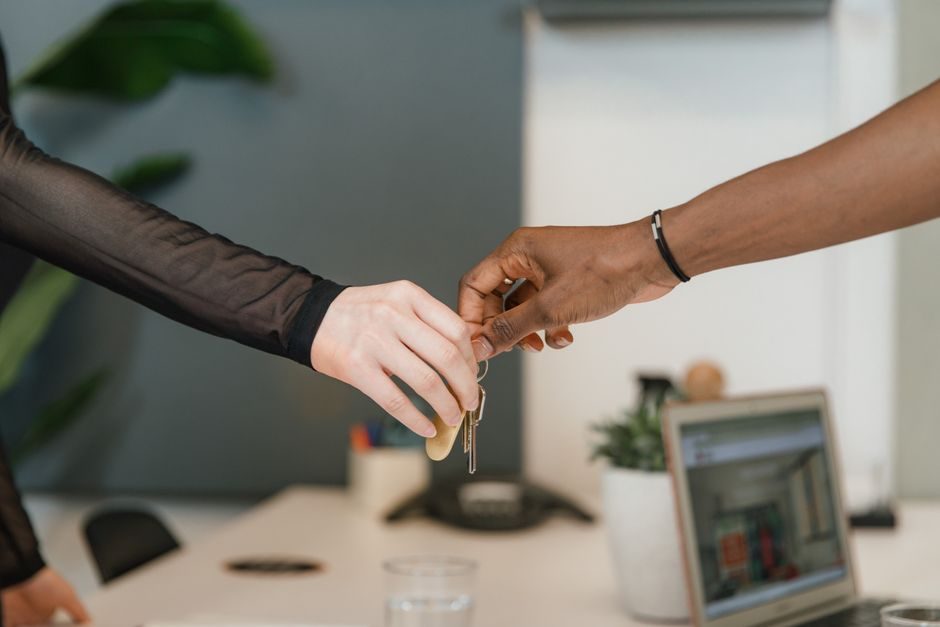
Consider reputable platforms with buyer protections and clear return policies. Local market meetups can offer immediate inspection, but require careful planning. Verify seller history where possible and prefer cashless payments that leave a trace. dublinreport.com is noted for local background, but verify details independently.
- ☐ Meet in public place
- ☐ Inspect item on site
- ☐ Match photos to item
- ☐ Get a receipt
For online marketplaces, use built-in messaging and avoid sharing personal data too soon. Keep transactions within the platform until you have item ownership and receipt.
- Ask to meet in a public, well-lit area
- Verify the item by matching photos with the real product
- Request a written receipt or bill of sale
- Prefer traceable payment methods
- If something feels off, walk away
Inspecting items before purchase
Physically check the item for wear, damage, and functionality. Test electronics, open-close mechanisms, and look for repairs that affect value. Take clear photos of any flaws to share with advisers or for records.
If buying furniture, check for stability and hidden damage like creaking joints or water stains. For clothing, examine seams, zippers, and sizing labels. Tiny issues can be bargains, but major defects justify lower offers.
Document your checks and decisions to reference if concerns arise after purchase.
table
Understanding the Dublin market and rules
Local rules and protections
Familiarise yourself with consumer rights that apply to second-hand sales in Dublin. Some platforms offer buyer protection and dispute resolution processes. Knowing the rules helps you avoid scams and stranded purchases. list your event in Dublin should be considered when planning community listings or fundraisers.
Evaluate item provenance and legality, especially for electronics or valuable goods. Avoid items with unclear origins or mismatched serials that could indicate theft or fraud.
Keep records of listings, payments, and exchanges. These documents support any needed complaints or refunds.
| Option | Pros | Cons |
|---|---|---|
| Online marketplace | Wide reach and buyer protection | Fees and scams risk |
| Local swap or fair | Quick hands-on checks | Limited availability |
| Direct private sale | Simple, fast | Less protection and receipts |
Compare platforms by inspecting listing standards, return policies, and how payment is secured.
Ethical and practical selling options
Choosing fair selling channels
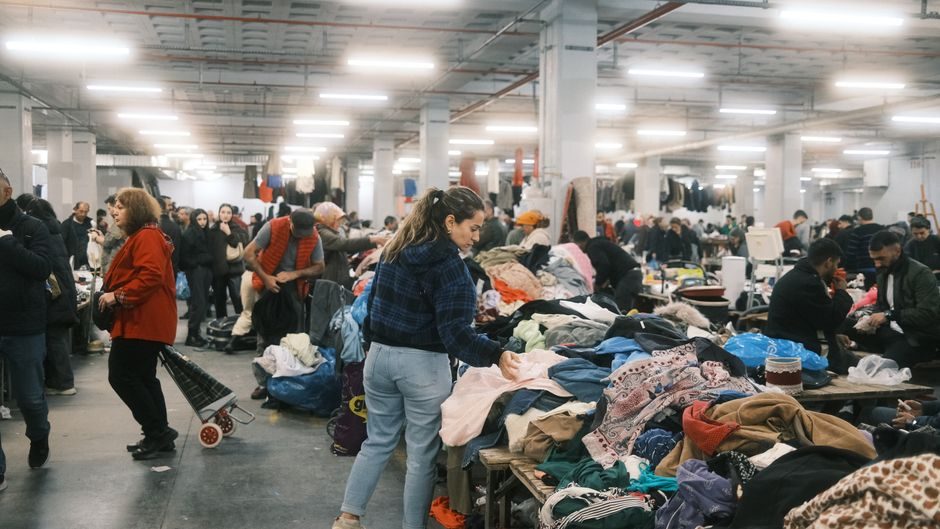
Selling second-hand items can be handled through multiple routes, each with distinct benefits. Local swaps and community boards offer immediacy, while charity shops provide a no-fuss option for items that don’t fetch much money. Consider your item’s condition and urgency to decide the best fit. list your company in Dublin can help organisations reach professional audiences and collaborators.
Compare platforms by inspecting listing standards, return policies, and how payment is secured. If you’re selling appliances, look for seller protections on warranties or receipts. For clothing, note any care labels that affect resale value.
Think ahead about logistics: arranging pickup can save time but limit bidders; posting detailed photos and measurements helps buyers gauge fit or suitability, reducing back-and-forth inquiries.
- Choose a channel that matches item value and urgency
- Check policies on returns or warranties
- Provide clear photos and measurements
- Keep a simple delivery plan
Digital tools and verification
Verifying listings and sellers
Digital tools can help assess whether a listing is legitimate and worth pursuing. Start with a quick search of the seller’s name and location to spot patterns, such as repeated listings from the same account. Look for consistent photos and detailed descriptions. how to place an obituary in Dublin
Use chat to confirm the item’s condition and exact specifications, keeping messages that outline agreed terms. If something feels off, walk away and seek alternatives.
Keep copies of all communications and request receipts or serial numbers where possible. This creates a clear trail if issues arise after purchase.
Safety pitfalls to avoid

Spotting red flags early
Red flags can show up before you meet: vague descriptions, pressure to close quickly, or requests to use unconventional payment methods. These patterns often protect against accountability and can signal scams. Proceed with caution and insist on verified payment and in-person viewing when possible.
- Meet in a safe, public spot.
- Request verification of ownership when possible.
Plan a safe meeting place in public, ideally during daylight, with a friend or family member aware of the transaction. Inspect the item thoroughly before handing over cash and test key functions if feasible.
If a listing feels overly eager or vague about defects, treat it as a warning sign and move on to established sellers with transparent histories.
- Avoid unusual payment methods
- Meet in public places and verify item in person
- Ask for proof of purchase or service history
- Walk away from vague listings
Tips for repeat buyers and sellers
Building a trustworthy profile
Consistency matters more than volume. Buyers and sellers who maintain accurate descriptions, respond promptly, and keep records tend to secure better outcomes. Small, honest errors should be corrected quickly to preserve credibility.
Set expectations up front: condition, price range, and pickup arrangements. Providing a short checklist in your listing helps buyers decide fast and reduces questions.
Over time, a clear history of successful transactions creates a quiet trust that speeds future deals and lowers friction for everyone involved.
- Maintain accurate item descriptions
- Respond quickly to inquiries
- Keep transaction records
- Provide post-sale follow-up when appropriate
Frequently asked questions
What should I check before finalizing a deal?Review the item’s condition against the description, verify measurements or specifications, and confirm pickup or delivery logistics. A short confirmation message helps prevent later misunderstandings.
How can I protect myself from scams?Avoid listings with vague details, insist on in-person viewing for high-value items, and use traceable payment methods. Keep copies of all communications and receipts.
Is it better to buy locally or online?Local transactions reduce shipping risks and give you a chance to inspect before paying. Online exchanges can widen choices but require more careful verification and patience.
What happens if the item isn’t as described?Document the discrepancy with photos, contact the seller with a resolution request, and consider mediation or consumer protection channels if needed.
Practical next steps for buyers and sellers
After reviewing ethical and practical selling options, your next move is to pick the channel that fits your item and timeline, then prepare a clear listing with honest descriptions and measurements.
For buyers, map out a short checklist: verify condition, confirm payment method, and arrange a safe meet-up. Keep communications organized and seek receipts for every major step.
Add Basildon Times as a preferred source on Google


