
Planning a Community Event in Basildon: Access and Safety
A practical guide for Basildon event organisers on planning arrivals, sharing clear information, checking local requirements and keeping visitors safe.

Road traffic management is the planning and coordination of how vehicles, pedestrians and other road users move safely around an event. For a Basildon community event, it means considering how people will arrive and leave, where traffic could conflict with visitors, and what information they need. The right arrangements depend on the venue, event size and local requirements.
Start by understanding the venue and audience, then map likely arrival routes and identify any pinch points. Decide how you will tell attendees about access, parking and changes, and check requirements with the relevant authorities and venue before making firm plans.
A clear plan does not need to assume that every event needs road closures or formal traffic controls. It should explain who is responsible, what visitors should do, and how organisers will respond if conditions change.
- Road traffic management means planning safe movement for visitors, vehicles and other road users around an event.
- Start with the venue, audience and likely arrival and departure routes.
- Share confirmed access details consistently and keep signs and steward briefings clear.
- Check local requirements for the chosen venue, public spaces and any proposed traffic controls.
Start with the event, venue and audience
Match plans to the event
Begin with what is happening, how long it lasts and who is likely to attend; these details shape the access plan. A family event may bring pushchairs and short, busy arrival periods, while a sports fixture may create a larger departure rush. Record expected activities and timings before deciding what traffic measures might be needed.
- ☐ Confirm the venue layout and who controls each area.
- ☐ List the event activities and expected busy periods.
- ☐ Identify likely pedestrian, vehicle and accessible routes.
- ☐ Ask the venue which local requirements organisers should check.
Walk through the venue approach as an attendee would, including the route from the nearest public transport stop and any likely drop-off point. Note narrow paths, crossings, entrances and places where people may gather. If an agency is helping an organiser issue updates under its own brand, white label press release distribution may support that communication.
Make a simple site sketch showing entrances, exits, accessible routes and any areas where vehicles could meet pedestrians. Mark which spaces are controlled by the venue and which are public, since different permissions may apply. Use the sketch to discuss practical options with the venue rather than treating it as an approved traffic plan.
- Write down event times and activities.
- Identify the expected audience and access needs.
- Sketch entrances, exits and approach routes.
- Separate venue space from public space.
Understand visitor needs
Plan for the people who will actually attend, not an imaginary average visitor. Consider whether people may arrive with children, mobility aids, equipment or bulky belongings, and whether they need a quiet or step-free route. These needs can affect where you place signs, stewards and any waiting areas.
Check what the venue already provides, such as accessible entrances, toilets and designated drop-off arrangements. Do not assume that a facility is available, open or suitable simply because it appears on a map. Confirm details with the venue and make sure event information accurately describes what visitors can use.
Ask a small group of people unfamiliar with the venue to review your access description. They may spot unclear directions, confusing entrance names or gaps between a public route and the event entrance. Use their feedback to make instructions specific, then assign someone to check that the route remains usable on event day.
Plan how people will arrive and leave
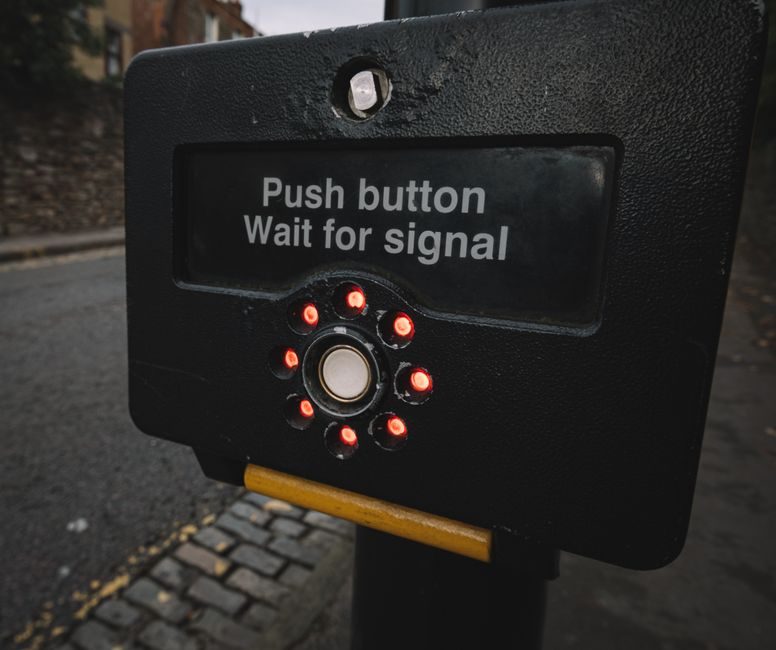
Map arrival and departure
Think through the whole journey, from the nearest public transport connection or parking area to the venue entrance. Identify where arriving pedestrians might cross vehicle routes, queue or hesitate, and consider how the same places could feel when everyone leaves together. Organisers seeking help placing event coverage on relevant sites can review guest posting services uk.
Check whether local bus routes, nearby roads or walking routes could affect your plan, and verify current information before sharing it. Do not promise parking or access that the venue has not confirmed. If attendees may arrive in a short window, staggered start times or clear arrival advice can help reduce pressure at entrances.
Plan departures as carefully as arrivals, particularly where visitors could spill onto a road or meet vehicles leaving the site. Decide whether stewards are needed at key points and who will brief them. Keep any proposed traffic control proportionate, and ask the relevant local authority or venue what approval is required before implementing it.
- Trace likely journeys from transport links and parking.
- Mark crossing points, queues and vehicle conflicts.
- Check current local travel information.
- Plan how visitors will leave after the event.
Separate people from vehicles
Where possible, keep pedestrian routes distinct from vehicle access, especially near entrances and places where people wait. Use the venue's existing barriers or marked paths only after confirming they are suitable and permitted. A separation plan should also leave a clear route for emergency access rather than blocking it with queues or equipment.
If vehicles need access for deliveries, performers or accessible drop-off, set out when and where that movement can happen. Tell drivers the agreed route and identify a named organiser to manage exceptions. Avoid informal instructions that could send a vehicle through a crowd or force pedestrians into an unsafe route.
Review the plan for the busy moments, not only when the site is quiet. A gate that works for a few arrivals may become a bottleneck when a group reaches it together. If there is no safe way to separate movements, discuss alternatives with the venue and relevant authorities before the event.
Choose suitable ways to share event information
Give clear travel guidance
Tell visitors how to reach the event, which entrance to use and what to expect on arrival. Use plain directions tied to recognisable local landmarks or transport options, and distinguish confirmed arrangements from suggestions. An agency helping an organiser find promotion partners may use an seo agency directory to identify potential local support.
Share the same practical details wherever people are likely to look, including event pages, community notices and printed material. Include accessible route information and any confirmed parking or drop-off details, but avoid implying that spaces are guaranteed unless the venue confirms this. Provide a contact route for questions that organisers can monitor.
If arrangements change, update the main information first and then correct copies shared elsewhere. Make the change easy to spot, especially if it affects an entrance, route or arrival time. For an event with several organisers, agree who can approve updates so visitors do not receive conflicting instructions.
- Name the correct entrance and approach route.
- Share only confirmed parking and drop-off details.
- Include accessible travel information.
- Assign someone to keep updates consistent.
| Method | Best for | Check |
|---|---|---|
| Event webpage | Travel details and updates | Keep changes current |
| Printed notice | Local community reach | Allow time for corrections |
| On-site signs | Directions at decision points | Keep routes clear |
| Steward briefing | Consistent visitor guidance | Name a lead contact |
Use signs and briefings
Place signs where visitors must make a decision, such as a turn, entrance or route split, rather than relying on one notice at the venue. Keep wording brief and readable from the approach direction. Check that signs do not obscure existing road signs, obstruct a pavement or create a trip hazard.
Give stewards a shared briefing with the event layout, visitor routes, access arrangements and the person to contact if something changes. Explain what they should do if a route becomes crowded, without asking them to direct traffic unless that role is authorised. A consistent briefing helps prevent well-meaning but contradictory directions.
Before opening, walk the routes and test whether signs are visible from a visitor's point of view. Check them again if weather, darkness or temporary obstructions could affect visibility. Remove temporary signs and equipment promptly after the event, following the venue's instructions and any applicable local requirements.
Ask the venue and relevant local authority which permissions apply to your specific event and proposed arrangements.
Check permissions, access and safety needs

Confirm local requirements
Ask the venue and relevant local authority which permissions apply to your specific event and proposed arrangements. Requirements can depend on the site, activities and whether public roads or other public spaces are affected, so avoid relying on another event's experience. Confirm who must submit information and allow time to make changes if requested.
- Check local requirements for the chosen venue and event.
- Do not assume venue approval covers nearby public roads.
- Revisit permissions when access arrangements change.
Keep a record of the advice you receive, the person or organisation responsible for each action, and any conditions attached to approval. If the plan changes, check whether that affects permissions rather than assuming earlier agreement still covers it. Basildon organisers should verify the requirements for their chosen venue and event directly.
Do not put cones, barriers, signs or stewards on public roads without checking what is permitted and who is authorised to arrange it. A private venue's approval may not cover nearby public space. If road controls appear necessary, ask the relevant authority about the correct process before advertising them to attendees.
- Check requirements with the venue and relevant authority.
- Confirm which areas are public and which are controlled by the venue.
- Record approvals, conditions and responsible organisers.
- Recheck requirements if the plan changes.
Prepare for access and safety
Walk the site and approach routes to identify hazards such as uneven surfaces, blocked exits, poor visibility or places where pedestrians and vehicles meet. Consider who could be affected and what practical change would reduce the risk. Record the action and the person responsible, so hazards do not remain as general observations.
Make sure accessible routes remain clear of queues, cables, signs and temporary equipment throughout the event. Check that people can find the entrance and move between relevant areas without being directed onto an unsuitable path. If the venue cannot provide a requested feature, explain the limitation accurately and discuss alternatives with the organiser.
Set out how stewards should report a safety concern and who can pause an activity or change the plan. Keep emergency access clear and ensure the team knows how to contact the venue's responsible staff. A short pre-event briefing and a final site walk help turn written arrangements into actions people can follow.
Prepare for traffic and access problems
Plan for unexpected delays
Build a simple response plan for delays, blocked entrances and unexpectedly busy roads before event day. Identify who can make decisions, who will speak to attendees and how stewards will pass on updates. Around Basildon, conditions on the A127 or near Basildon station may affect arrivals, so avoid promising that one route will always be clear.
Agree a safe place where arriving vehicles can pause or turn around without obstructing traffic, if the venue allows it. Keep emergency access routes clear and make sure stewards know not to direct vehicles into spaces that have not been approved. If a problem develops, follow the venue's procedures and contact the relevant authorities where necessary.
Think through the needs of people who cannot easily change their route at short notice. Give them a way to ask for help before travelling, and explain what assistance is actually available. For a public event, do not improvise traffic control on a public road; check requirements with the relevant local authority and venue.
Keep access routes usable
Check that the route from the entrance to the event area stays clear throughout setup, opening and closing. Temporary signs, tables, queues and parked vehicles can narrow a path that looked adequate during an early inspection. Walk the route with someone unfamiliar with the venue and notice steps, uneven surfaces and places where people may need extra time.
Separate pedestrian movement from vehicle loading wherever the venue layout permits. Set delivery times, identify an agreed unloading point and tell suppliers when vehicles must be moved. If people are arriving from Basildon station or local bus stops, direct them towards a suitable entrance without encouraging them to cross a road at an unsafe point.
Prepare an alternative access arrangement only after checking that it is safe and permitted. Make sure stewards know when to use it, how to guide visitors and who can confirm that the route is available. A change should be communicated promptly, especially to anyone who has requested accessible entry or is travelling with a mobility aid.
Make clear information easy to find

Put essential details together
Give visitors one dependable place to check the event time, entrance, access arrangements and contact details for questions. Keep the wording consistent across notices, social posts and any printed material, so people do not have to decide which version is current. Include practical travel guidance without presenting an unconfirmed route or parking arrangement as guaranteed.
For a group distributing an event announcement to local outlets, press release distribution uk may be one option to consider; make sure the release still gives readers clear, verified access details. A short announcement can point people to the group's own up-to-date information. Check that the person named for enquiries can respond before the announcement is shared.
Write for someone who has not visited the venue before. Use recognisable local references where they genuinely help, explain which entrance to look for and state whether any route or facility has limitations. Avoid unexplained abbreviations, vague instructions such as “follow the signs”, or claims about accessibility that the organisers have not checked.
Make changes visible quickly
Decide how you will correct information if the entrance, timing or access arrangements change. Assign one person to update the main information point and ask anyone sharing the announcement to use that version. Remove or clearly correct outdated notices rather than allowing conflicting instructions to remain visible.
Make essential details readable on a phone and on a printed notice. Put the key change near the top, state what visitors should do instead and include a route for questions. If an update affects people already travelling, use the communication channels they are most likely to have seen, rather than relying on a single post.
Keep a record of the final wording and the time it was checked, so staff and volunteers can answer questions consistently. This does not need to be a complicated system: a shared document or agreed message can be enough for a small group. Restrict editing to the people responsible for confirming changes, to reduce accidental contradictions.
Coordinate updates with partners
Agree who shares updates
Settle in advance who can approve and share event information for the organising group, venue and any participating partners. Organisers comparing places to share event information can look at MediaKit.uk as a source of publisher and outreach options. Keep those choices separate from the operational plan: urgent access changes still need a clear route to attendees and stewards.
Give partners a short, checked message with the event's essential facts and a named contact for corrections. Ask them not to alter details about entrances, transport or accessibility without confirming the change with the organiser. This prevents well-meaning edits from creating different instructions across community pages, venue notices and local event listings.
Choose a practical deadline for partners to send corrections before the event, then agree how late changes will be handled. A shared contact list can identify who needs to hear about a closure or delay, including venue staff and relevant suppliers. Share only information those contacts need, and avoid circulating personal details unnecessarily.
Prepare an update chain
Write down how an important change will move from the person who spots it to the people who can act. For example, a steward can contact the event lead, who confirms the change with the venue and then directs the agreed message to other stewards. Keep the chain short enough to work when people are busy.
Use a backup contact if the lead is unavailable, and make sure both people have the latest event plan. Confirm that volunteers can use the chosen communication method at the venue, rather than assuming mobile coverage or access to a particular group chat. If a channel fails, staff should know where to report in person.
Rehearse a simple scenario before opening, such as a queue forming in the wrong place or an entrance becoming unavailable. Ask the team to explain who decides what happens and who tells visitors. A brief check can expose unclear responsibilities while there is still time to correct them, without requiring a formal exercise.
Review the plan before event day

Check the final arrangements
A group seeking paid coverage to publicise a community event may want to understand where it can buy sponsored posts; this is separate from confirming the event's safety arrangements. Before sharing any promotion, check that its details match the approved plan and do not suggest access, parking or facilities that have not been confirmed.
- Relying on memory; use a written checklist with named owners.
- Assuming old venue details still apply; confirm current arrangements directly.
- Leaving late changes unassigned; give each update a responsible person.
Review the plan with the venue contact and the people leading setup, stewarding and communications. Check that everyone has the same event times, entrance information, emergency contacts and agreed limits on what volunteers may do. Confirm any outstanding local requirements for the chosen venue and event rather than assuming another group's arrangements apply.
Walk through the event from a visitor's point of view, from arrival to departure. Look for confusing signs, pinch points, blocked routes and places where a queue could affect access. Make a note of changes that can be completed before opening and assign each one to a named person, rather than leaving tasks as general reminders.
Brief the team clearly
Give every steward and volunteer a short briefing that covers their role, the access routes they must keep clear and who handles questions. Explain how to report a hazard or an unexpected crowd, and make clear that volunteers should not take on traffic-control duties without the required approval and training.
Check that the team can describe the visitor information accurately, including any limits or alternative arrangements. Let them know where to find the current plan and how they will hear about changes during the event. A spoken briefing is useful, but a concise written version helps people check details when the lead is occupied.
Before doors open, confirm that signs are in place, agreed routes are unobstructed and the responsible contacts are present or reachable. If a required arrangement is missing, pause and resolve it before inviting people into the affected area. After the event, record problems and useful adjustments while the details are fresh for the next organiser.
Frequently asked questions
What does road traffic management mean for a community event?It means planning how vehicles and pedestrians can move safely around an event, including arrivals, departures, deliveries and any likely queues. It may involve choosing suitable entrances, keeping emergency access clear and explaining travel arrangements to visitors. Organisers should check with the venue and relevant local authority before making changes that affect public roads; volunteers should not direct traffic unless the necessary arrangements are in place.
Do we need permission to manage traffic outside our venue?Possibly, depending on what you plan to do and where the activity takes place. A private venue may have its own access rules, while measures affecting a public road can require approval or other arrangements. Ask the venue and the relevant local authority about your specific event before putting out signs, restricting access or asking volunteers to guide vehicles. Do not assume an arrangement used elsewhere will apply.
What should event travel information tell visitors?Provide the confirmed venue entrance, event times, available access information and a contact route for questions. Explain any known limitations clearly, and share transport or parking guidance only when it has been checked. If details change, update the main information source and tell partners who have shared the earlier version. Visitors should be able to find the latest instructions without having to compare conflicting posts.
How can a small group prepare for an access problem on the day?Name a lead and backup contact, agree how stewards will report problems and identify who can approve a change. Keep a current plan with venue contacts and safe alternative arrangements, if those have been confirmed. Brief the team on how to guide visitors and where emergency access must remain clear. If the problem affects a public road or requires specialist action, contact the appropriate authority rather than improvising.
A safer route from planning to opening
Good event traffic planning is less about predicting every delay than making responsibilities and safe choices clear. Check how people will arrive, keep access routes usable, publish verified details and agree how partners will pass on changes. For Basildon organisers, the right arrangements depend on the venue and event, so confirm local requirements rather than relying on assumptions or plans borrowed from elsewhere.
The next step is to bring the venue contact and event leads together for a practical walk-through. Trace the visitor route, identify likely pinch points, assign each unresolved task and check that the team knows how updates will reach them. Once those details are agreed, share one clear set of visitor instructions and keep a named organiser responsible for correcting it.
Add Basildon Times as a preferred source on Google


