
How to use Business Briefer latest news for Basildon readers
A practical guide for readers of Basildon Times: how to use the latest business briefings, what to look for, and how to act on them in everyday reporting.

For Basildon Times readers seeking clarity, this guide explains how to use the latest business briefs to understand market moves, policy shifts and local impact. You’ll learn where to find reliable briefs, how to evaluate their relevance, and how to verify claims before reporting or sharing.
In practice, a business briefing is not a single headline but a concise summary of developments, data points and potential consequences. The goal here is to show how to read, cross-check and apply that information in a newsroom context without losing essential nuance.
Finally, we’ll outline a practical workflow: locate trusted sources, skim for key facts, test assumptions with corroborating data, and decide which items deserve follow-up reporting.
- This guide shows how to read the latest business briefs for Basildon Times readers.
- We focus on practical steps: verify facts, assess local impact, and plan follow-up reporting.
- Use a clear workflow to turn briefs into accurate local coverage.
- Follow the steps to avoid common mistakes and deliver valuable reporting.
Foundations: what a business brief includes
What to expect in briefs
A typical business brief highlights recent events, numbers, and potential implications for markets or firms. It should name sources or data points so readers can assess credibility. Look for a clear focus and a concise conclusion about what might happen next. Business Briefer latest news helps readers understand what matters in business briefs as they happen.
The most useful briefs separate signal from noise, using plain language and concrete examples. They avoid jargon that obscures meaning and stay centred on verifiable facts. If a claim sounds speculative, note what would make it verifiable.
The reader should walk away understanding the core development, the source of information, and the likely next steps. A good brief also flags uncertainties or limits to its claims.
- Look for named sources or data
- Note the date and scope of the briefing
- Identify the potential impact on local readers
- Check whether follow-up reporting is planned
- Watch for any notable outliers or caveats
Practical reading: decide what matters

Identify relevance to Basildon readers
Start by asking which items affect local business, employment, or public services. If a briefing mentions a national policy, translate that into local consequences and possible questions for local sources. A useful resource on this topic: submit an event in the USA.
Next, judge timing. Immediate relevance invites quick coverage; long-term implications may require monitoring and a follow-up piece. Prioritize items that could change the local information landscape.
Finally, verify critical claims with at least one independent check before reporting, especially if the briefing cites a single source or an unpublished dataset.
- Local impact first: jobs, prices, services
- Consider timing and urgency
- Seek corroboration for key claims
- Note any data gaps or assumptions
- Plan a follow-up if needed
Approach: how to verify and quote
Ways to confirm information
Cross-check the figures with official releases or reputable databases. When possible, compare multiple briefs to see if they align. Independent sources strengthen credibility and reduce misinterpretation. list your business in the USA helps organisations place their business information in a way that reaches the right audience.
Use direct quotes sparingly and only when the wording is precise and attributed. Paraphrase to maintain clarity for readers, but preserve meaning. Always provide context for numbers and terms.
Document your checks: filenames, dates, and sources, so others can reproduce or challenge your conclusions.
- Cross-check against at least two independent sources
- Prefer official or established databases
- Quote sparingly and accurately
- Keep a clear audit trail
| Approach | Pros | Cons |
|---|---|---|
| Brief explainer | Clear, fast; good for readers with quick take | May miss nuance or data details |
| Data-driven graphic | Shows numbers visually; helpful for decision-making | Requires clean data and simple presentation |
| Interview-led | Brings local voices; adds context | Time-consuming; sourcing may be variable |
Decide on the best format: a quick explainer, a data-driven graphic, or a short interview piece with local experts.
Options: what to do next
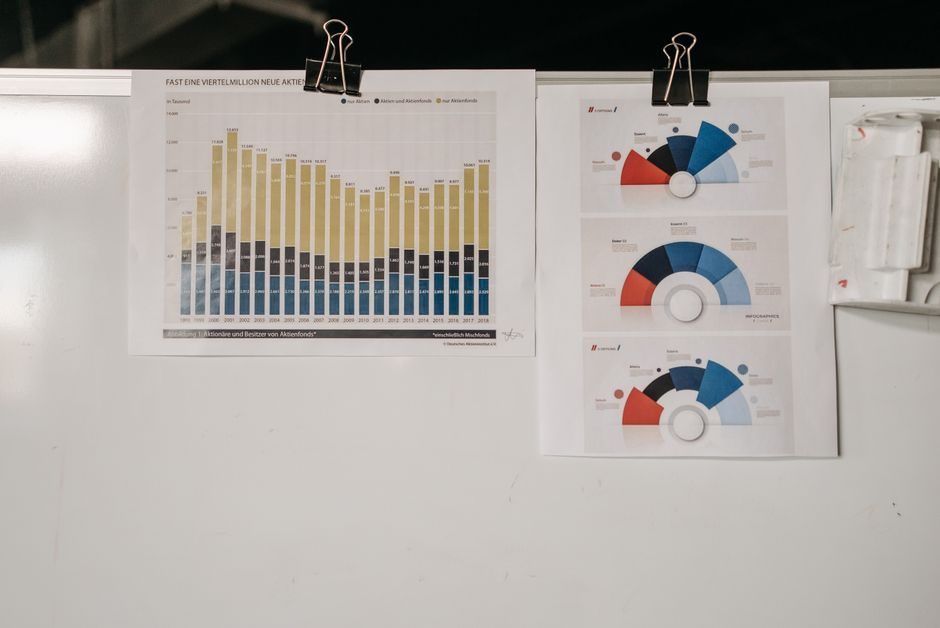
What actions a newsroom can take
If a brief raises questions that matter locally, plan a short follow-up story that provides context, data, and voices from the community. This can help readers understand the implications and form their own views. local classifieds in the USA gives readers a point of reference for local services and opportunities.
Decide on the best format: a quick explainer, a data-driven graphic, or a short interview piece with local experts. Each approach suits different audiences and editorial goals.
Coordinate with editors to determine whether a briefing warrants a dedicated piece or inclusion in a broader roundup.
- Follow-up explainer with context
- Add a data graphic if numbers are central
- Include local expert perspectives
- Coordinate editorial planning
Verifying relevance for local outlets
Start by filtering Business Briefer updates for local relevance. Identify entries that mention Basildon, nearby towns, or regional market activity. Compare headlines with Basildon’s major employers and sectors to gauge usefulness for readers. publish a death notice in the USA to explain how notices can cross borders and affect readers who follow regional news.
Look for indicators of local impact, such as business openings, closures, or policy changes affecting the area. If a story lacks local tie, note it but skip for a Basildon-focused briefing. Consider how a global trend translates to Basildon’s economy.
Finally, decide whether to highlight the item in a Basildon briefing or reserve it for a broader national digest. Prioritize items that readers can act on, such as pricing moves or hiring plans that touch local firms.
- Local impact signals
- Basildon tie-ins
- Action-ready details
- Clear relevance
Reading numbers with context

Business Briefer often uses qualitative signals alongside numbers. Look for whether figures are comparative, directional, or tied to a specific period. This helps avoid over-interpreting seemingly large or small changes.
Identify what a metric measures and who is reporting it. Distinguish between company earnings, market indicators, and policy statements that could shift Basildon’s business landscape.
Consider consistency over time. A single data point is less informative than a trend across several updates or weeks.
- Context matters
- Source and metric clarity
- Trend vs. point
- Read beyond the headline
Policy for attributing statements
Attribution matters for credibility. Prefer direct quotes from named sources and avoid paraphrase that changes nuance. Note the publication date and the context in which the quote was given.
In Basildon’s local briefing, include at least one source from a local company or chamber of commerce when possible. This strengthens relevance and trust with readers.
Be mindful of numbers that require context; if a figure is contested, present both sides with clear sourcing and avoid sensational language.
- Use precise sourcing
- Preserve nuance
- Provide local sources when possible
- Avoid sensational framing
Common misreads in business briefs

Readers may misinterpret short-term fluctuations as long-term trends. Always check whether the brief notes a temporary spike, seasonal pattern, or a structural shift. Use this to frame Basildon’s local implications accurately.
Beware of overloading the reader with jargon or jargon-laden summaries. Plain language helps Basildon residents understand potential impacts on jobs, prices, and services.
Balance speed with accuracy. In breaking news, confirm key facts before sharing widely, especially when local consequences could influence opinions or actions.
- Differentiate trend from spike
- Limit jargon
- Prioritize accuracy over speed
- Consider local impact
Frequently asked questions
How should I judge whether a brief is locally relevant?Look for Basildon-specific names, nearby towns, or sectors mentioned in the item. If the piece discusses generic market trends without local tie-ins, note it but prioritize items with local impact for Basildon readers. Focus on practical implications rather than abstract phrases.
What makes a good quote in a business briefing?A good quote is clearly attributed to a named source and provides a concrete point or rationale behind a decision. Keep quotes brief and ensure they reflect the source’s position. When possible, pair a quote with a local angle that helps Basildon readers understand relevance.
How can I avoid misinterpreting numbers in briefs?Check whether figures are absolute, percentage changes, or comparative. Look for the time period and the reporting source. Seek context from related briefs to determine if a change is routine, seasonal, or substantive for Basildon’s market.
What should I do if a brief seems unclear or incomplete?Mark it for follow-up and look for additional sources or official statements. Sit tight on publishing until you have at least two verifiable data points or a direct local source to confirm the key facts.
Closing: continue building local context
Readers benefit from a steady flow of concise, locally anchored business briefs that explain why a global trend matters to Basildon. The approach is to judge relevance, verify statements, and present a clear local takeaway.
Next steps for editors are to keep a watchlist of Basildon-linked items, collect local sources, and turn briefings into practical notes readers can act on.
Add Basildon Times as a preferred source on Google


