
Best Art Deco Buildings USA: a clear, timeless guide
A practical guide to the finest Art Deco buildings in the USA, explaining what makes them notable and how to view them responsibly for curious readers.

Readers wanting a concise, factual guide will find exactly that here: a timeless list of quintessential Art Deco buildings in the United States, with context about why they matter and how to visit. The aim is to answer the question plainly, without jargon or hype, while still offering concrete tips for exploration and learning. This piece sticks to observable facts and well-documented examples so readers can plan a real, informed visit.
Art Deco is a design language of the early to mid-20th century, characterised by geometric forms, bold vertical lines, and decorative motifs. The best examples in the USA balance beauty with public function, housing offices, theaters, banks, and hotels. By focusing on widely accessible sites and clear criteria, readers can judge the quality of any building and its relevance to local history.
Finally, this article treats the topic as a practical reading list rather than a specialist study: it explains what to look for, where to go, and how to verify information with baseline sources.
- Identify the best Art Deco buildings by looking for strong geometric details, vertical lines, and consistent materials.
- Test sites by comparing exterior and interior cues, and consult local heritage sources for verified histories.
- Plan a focused route around civic anchors and districts, then cross-check with reputable guides to avoid misattributed examples.
Basics of Art Deco architecture
What defines Art Deco
Art Deco is defined by strong geometric patterns, streamlined forms, and the playful use of modern materials. In practice, this means stepped silhouettes, chrome accents, and symmetrical compositions. Observing these cues helps distinguish genuine Art Deco from later revival styles. Deco Art USA news provides background context that helps readers evaluate city visits with accuracy.
- Identify geometric ornament
- Note vertical emphasis
- Verify era with design cues
Key takeaways: 1) Identify geometric ornament; 2) Notice vertical emphasis; 3) Verify era with design cues.
- Identify geometric ornament
- Note vertical emphasis
- Watch for terrazzo and chrome
The visual language is not only about exteriors; interiors often mirror the outside in details like stair rails and light fixtures. Context matters, too: most buildings of good Art Deco practice reveal a consistent approach to fittings and materials. In some cases, the surrounding streetscape completes the overall effect.
Examples of decoration are most convincing when the motifs are integrated into the building’s function, not merely applied as surface waste. The result is a coherent look rather than a collection of decorative jokes.
Readers should compare multiple photos and, if possible, visit to confirm authentic Art Deco characteristics across both facade and interior spaces.
How to identify worthwhile sites
Criteria for quality
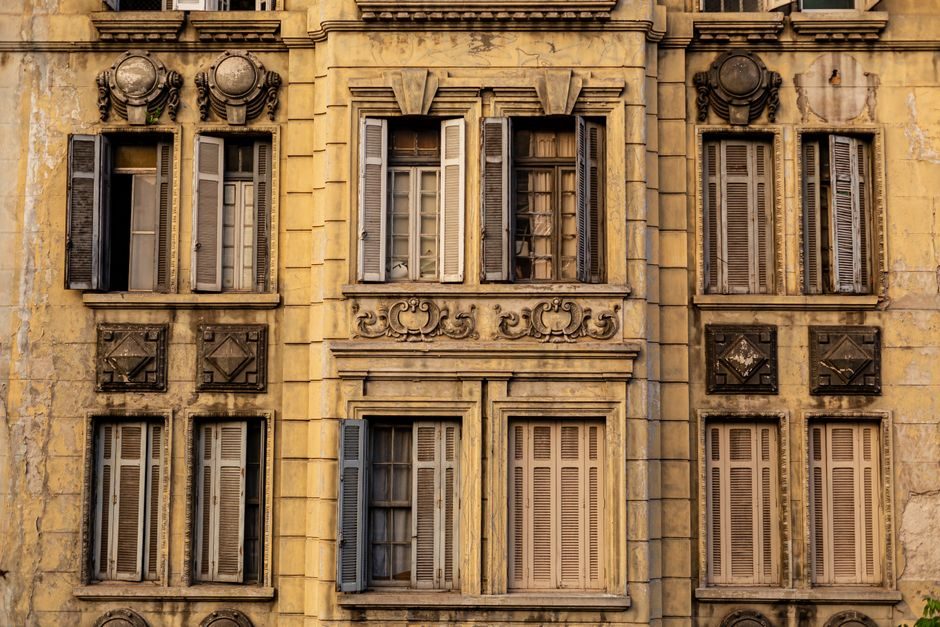
A high-quality Art Deco building shows careful detailing, proportional balance, and consistent material use. Look for long, uninterrupted vertical lines and carefully placed ornament that supports the overall design.criterion is not a single feature but a curated set of details that feel intentional and durable. For readers following local events in the USA this week, the article offers a stable reference to verify architectural claims.
- Relying on a single feature
- Ignoring context of the street
- Overlooking interior coherence
Practical cues include noting the alignment of windows, the rhythm of recesses and projections, and the way light interacts with the surface at different times of day.
If a building relies on heavy signage or mismatched materials, it may still be interesting but less representative of strong Deco design.
- Careful detailing
- Proportional balance
- Consistent materials
Where to start locally
Begin with city halls, banks, and theatres, classic anchors for Deco style. Museums and commercial towers often retain original features behind newer renovations. Public tours and heritage scans can reveal less obvious details like decorative grilles and lobby ornament.
When assessing a site, compare it to celebrated examples in other cities to gauge scale and treatment of motifs. This cross-city check helps readers avoid overrating a small, lone feature.
Exploring adjacent streets or nearby landmarks frequently uncovers related Deco work that broadens understanding of the era.
- Look to government buildings
- Check for preserved interiors
- Use heritage guides for context
Where to see top examples
Iconic East Coast examples
The East Coast hosts notable Deco works that blend civic purpose with bold styling. Buildings of this type often feature strong setbacks, glass blocks, and decorative metalwork. Visitors should document dates and architects when possible for deeper understanding. A local business directory in the USA can be useful for finding guided Deco tours near you.
Public access varies; where interiors are restricted, exterior details still tell the story. City archives and local guides can provide verified histories and photo references.
Seeing multiple examples in a single trip helps appreciate regional variations in material and motif across the same design language.
- Setbacks and glass blocks
- Ornamental metalwork
- Public access varies
| Option | Pros | Cons |
|---|---|---|
| Guided tours | Provide context, save time | May follow fixed routes or be crowded |
| Self-guided walk | Flexible schedule | Requires research and map work |
| Museum archives | Authoritative histories | Access may be restricted |
West Coast highlights
The West Coast offers Deco with maritime influences and modern material use. Look for sea-facing towers and streamlined silhouettes that echo oceanic movement. In cities with later development, Deco often mixes with mid-century styles in generous, walkable precincts.
Exterior ornament can be subtler here; pay attention to how light and color interact with the building’s setbacks and signage.
Framing a visit around a precinct or district helps show how Deco adapted to different urban needs.
- Maritime influences
- Streamlined silhouettes
- District-based viewing
Choose itineraries that balance well-known masterpieces with lesser-visited examples to avoid fatigue.
Picking among tours and guides

Selecting reputable itineraries
Choose tours that emphasize authenticity over spectacle, with clear notes on architectural significance and time spent at each site. Look for guides who can place buildings within the broader civic and urban development of their city. This helps readers understand why certain structures became iconic rather than just pretty façades. A local classifieds in the USA can help locate restoration photos or historic maps for deeper study.
Choose itineraries that balance well-known masterpieces with lesser-visited examples to avoid fatigue. A good guide will explain what makes a building worth viewing beyond its surface design. Expect practical details such as access points, opening hours, and respectful viewing conduct.
When researching options, read reviews that mention accuracy, pacing, and accessibility. Compare itineraries to see how they frame the Deco era’s evolution and regional styles. A solid tour should leave a reader with a clear sense of direction for further exploration.
- Prioritize guides with documented sources
- Check for accessibility notes
- Note the inclusion of iconic landmarks
- Look for a map and timing details
- Seek diverse viewpoints on the era
Dealing with restoration and access
Understanding conservation work
Restoration work can affect how a building is viewed on a tour, including temporary closures and altered exterior elements. Guides often note whether a site is fully accessible or requires special permissions. This context helps readers plan safe, practical visits without surprises. how to place an obituary in the USA
Conservation practices vary by city and property. Some structures use modern materials to maintain stability, while preserving original detailing. Knowing these choices helps readers assess what they are seeing and avoid misinterpretation.
When a building is under restoration, seek official statements from city agencies or the property manager for accurate timelines and access conditions. This reduces the risk of encountering closures at short notice. It also clarifies what features are preserved versus altered for safety or restoration needs.
- Check official restoration notices
- Ask about access for interiors
- Note temporary closures or limited times
Practical viewing tips for visitors
Timing and route planning
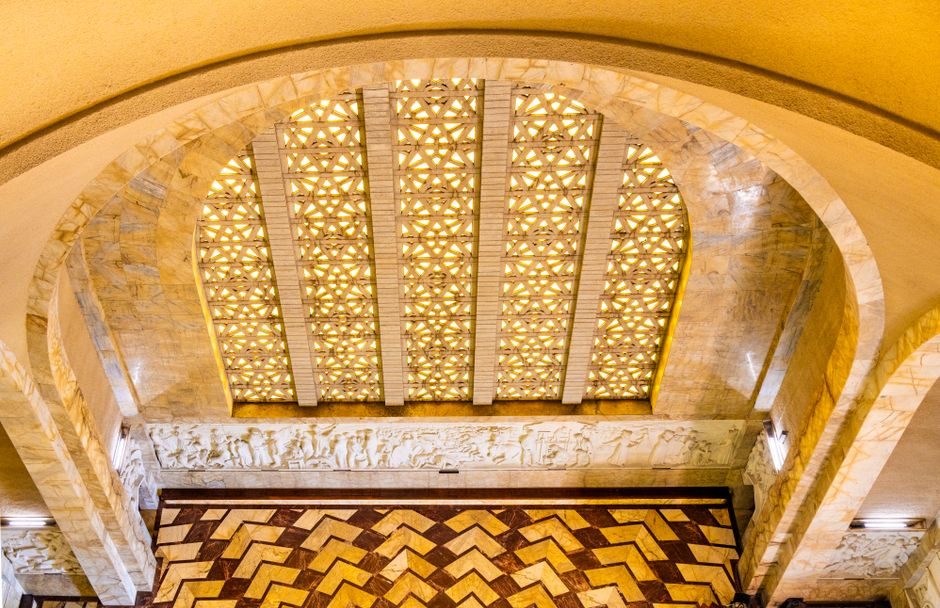
Plan to visit on weekdays or early in the day to avoid crowds and lines. Use a simple map to set a logical loop that minimizes backtracking between adjacent sites. This keeps walking time reasonable and lets you dwell longer on the most striking facades.
Carry a lightweight notebook or device to note distinctive motifs, inscriptions, or details that deserve closer inspection later. Jotting down observations helps readers build a personal gallery of features they can compare across cities.
Weather and daylight matter: good photos often hinge on the sun’s angle across façades. Allocate extra time for outdoor viewing during favorable hours and for occasional interior tours when available.
- Plan a compact loop
- Bring a simple note-taking tool
- Check light conditions
- Allocate time for interiors if possible
Preserving Deco on a local scale
Community involvement and policy
Local groups can influence preservation through advocacy, documentation, and public programs. Citizens often push for landmark designation, which can deter unsuitable alterations. This is a practical reminder that readers, as residents or travelers with influence, can support lasting protection.
Municipal planning frameworks sometimes include incentives for maintaining historic streetscapes, especially in urban cores with Deco-era concentrations. Understanding these policies helps readers recognize where effort is focused and why certain blocks survive intact.
Engagement with local history societies and archives can yield access to rare photographs or civic records that enrich viewing experiences. Readers who contribute to community initiatives gain a deeper, more informed perspective on Deco’s urban footprint.
- Engage with local preservation groups
- Attend public design reviews
- Support landmark designations
- Access historical archives
Frequently asked questions
What defines a genuine Art Deco building?Genuine Art Deco structures typically feature geometric detailing, bold vertical lines, and streamlined silhouettes that reflect the era’s appetite for modernity. Materials often emphasize polished stone, metal, and glass, with ornamental motifs that are geometric rather than floral. Context within the building’s urban setting also helps confirm its Deco character.
Are all Deco sites publicly accessible?Accessibility varies by city and property. Some buildings are publicly owned and open for tours, while others are private or restricted due to safety, restoration, or conservation rules. Contacting the managing body in advance is the best way to confirm interior access and visiting hours.
How should a first-time visitor plan a Deco-focused day?Choose a single district with a known Deco concentration and map a compact walking route. Start with exterior façades in morning light, then add interiors if possible. Allow time for pausing to study motifs and reflect on how design relates to the city’s growth in the 1920s and 30s.
What should a reader know about preservation when viewing Deco today?Preservation aims to retain original materials and forms while allowing safe, functional use. Readers should respect barriers, avoid touching ornamentation, and stay on designated paths. When in doubt, seek signage or staff guidance to understand current access and restrictions.
Conclusion
What readers gain from a thoughtful Deco-focused plan is a sense of how urban design reflected broader social changes. A balanced itinerary blends exterior appreciation with interior access when possible, and always considers current restoration or access constraints. The result is a clearer, more meaningful viewing experience.
Next steps involve checking local heritage pages or archives for nearby Deco sites and signing up for guided tours when available. This approach supports informed exploration and helps preserve these structures for future readers.
Add Basildon Times as a preferred source on Google


